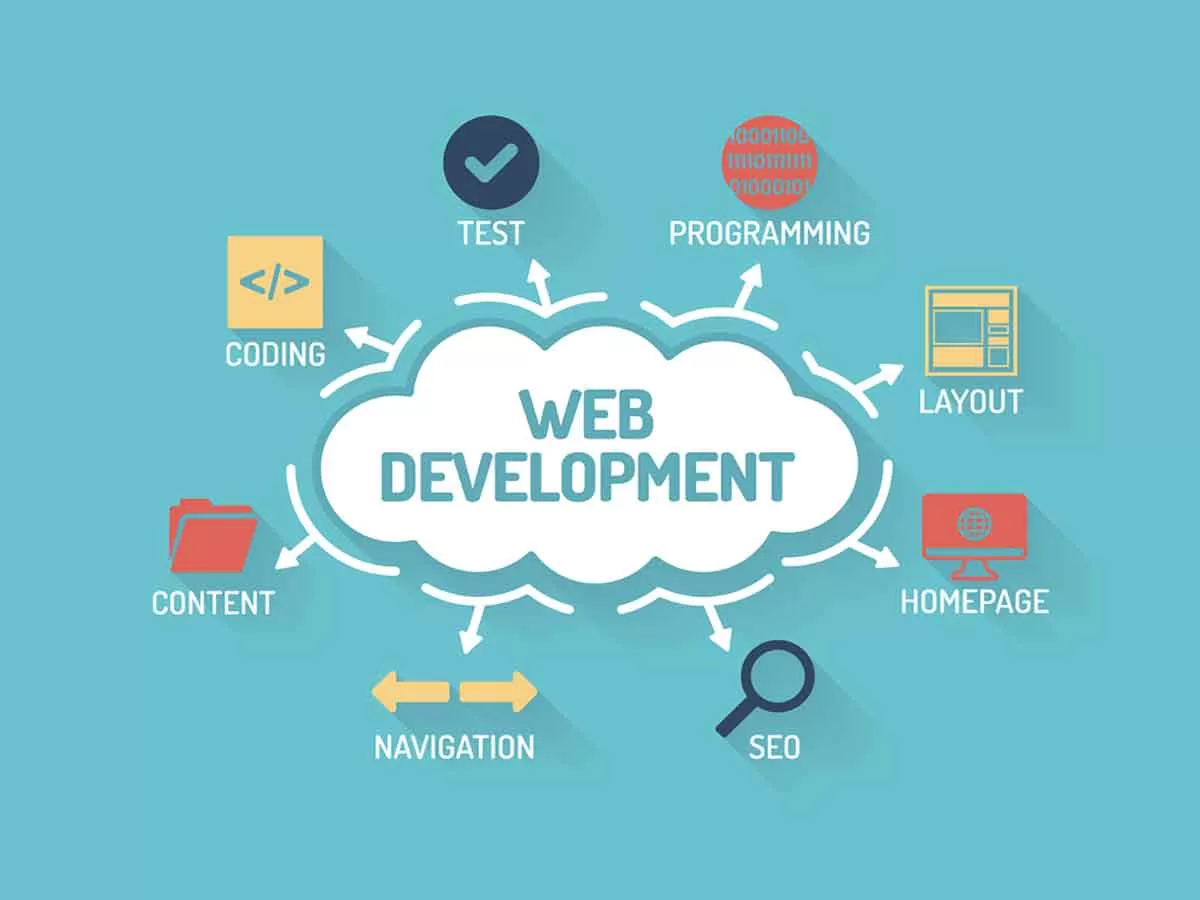
The Ultimate Guide to Web Development in 2025
Web development is the backbone of the digital world, enabling businesses, creators, and organizations to reach users globally. From simple static websites to complex web applications, web development involves a combination of technologies, programming languages, and frameworks to deliver functional and interactive online experiences.
Front-End Development:
Front-end development refers to the part of a website that users interact with directly.
Using HTML, CSS, and JavaScript, front-end developers create layouts, animations, and interactive features.
Modern frameworks like React, Angular, and Vue.js help build scalable and maintainable interfaces.
Emphasis on responsive design, accessibility, and performance ensures seamless experiences across all devices.
Back-End Development:
Back-end development powers the website’s functionality behind the scenes.
It involves server-side programming, databases, authentication, and APIs.
Popular back-end languages include Python, Node.js, Ruby, PHP, and Java.
Modern practices like cloud deployment, microservices, and serverless architecture enhance scalability and reduce infrastructure costs.
Full-Stack Development:
Full-stack developers handle both front-end and back-end tasks, understanding how each component interacts.
They are highly valuable for startups and smaller teams as they can manage the complete workflow, from designing user interfaces to managing databases and servers.
Web Development Trends in 2025:
- AI-Driven Websites: Chatbots, automated content, and personalization.
- Serverless Architecture: Simplifying deployment and reducing server costs.
- Single Page Applications (SPA): Faster, smoother user experiences using React, Angular, or Vue.js.
- Voice-Activated Interfaces: Optimized for voice commands and searches.
- Enhanced Security: SSL certificates, data encryption, and GDPR compliance.
Learning Web Development:
Beginners should start with HTML, CSS, and JavaScript, building small projects to practice.
Understanding frameworks, version control (like Git), and databases strengthens your skills.
Regular practice, contributing to open-source, and staying updated with new tools and trends are essential for growth in this field.
Importance of Web Development:
Web development is not only about writing code—it’s about problem-solving and creating experiences.
Well-designed websites enhance user engagement, drive business growth, and build brand credibility.
With digitalization accelerating globally, web development skills are in high demand across industries.
Web development combines creativity, logic, and technology. By mastering core skills and keeping up with industry trends, anyone can build powerful, modern, and user-friendly websites. Whether it’s a personal portfolio, an e-commerce platform, or a corporate site, the possibilities are endless for those who invest in learning this dynamic field.