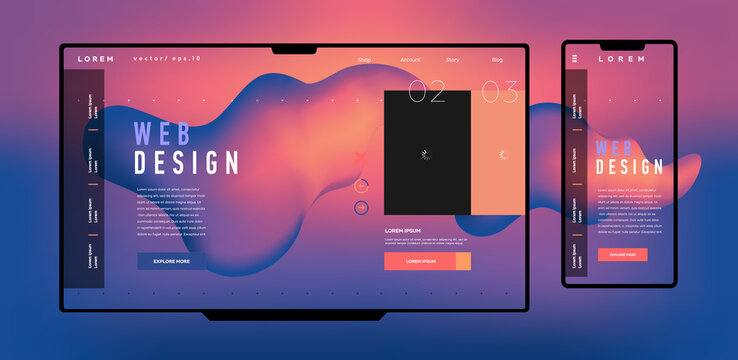
The Complete Guide to Web Design in 2025
Web design is the process of creating visually appealing, user-friendly, and functional websites. It combines aesthetics, technology, and usability to deliver seamless experiences to users across devices. As the digital landscape evolves, web design has become an essential skill for businesses, developers, and designers alike.
What is Web Design?
Web design involves planning, conceptualizing, and arranging content online.
It goes beyond just making a website look good; it also ensures the site is intuitive, responsive, and accessible.
Web designers work with layout, color schemes, typography, images, and navigation to create cohesive digital experiences.
Key Components of Web Design:
- Layout: Arranging elements in a clear, consistent manner to guide users through content.
- Typography: Choosing fonts and text styles that enhance readability and visual appeal.
- Color Theory: Using colors strategically to convey brand identity and emotion.
- Navigation: Creating menus and pathways that help users explore the website easily.
- Responsiveness: Ensuring websites adapt seamlessly to different screen sizes and devices.
- Visual Hierarchy: Highlighting important elements to capture user attention effectively.
Web Design Trends in 2025:
- Minimalistic Designs: Simple, clean layouts focusing on content and functionality.
- Dark Mode: User-preferred interfaces with low-light designs to reduce eye strain.
- Interactive Elements: Animations, micro-interactions, and hover effects that engage users.
- Mobile-First Design: Prioritizing mobile experience due to increasing smartphone usage.
- AI-Powered Personalization: Websites adapting content and layout based on user behavior.
Front-End Technologies for Web Design:
Web design is powered by front-end technologies that bring layouts to life.
HTML structures the content, CSS styles it beautifully, and JavaScript adds interactivity.
Popular tools and frameworks include Adobe XD, Figma, Bootstrap, and Tailwind CSS, which streamline the design process and ensure consistency.
User Experience (UX) vs. User Interface (UI):
UX focuses on the overall feel and usability of the website, while UI concentrates on the look and interaction.
Successful web design balances both — a website should be visually appealing (UI) and provide smooth navigation and functionality (UX).
Learning Web Design:
Beginners should start by understanding design principles, color theory, typography, and layout design.
Learning tools like Figma, Photoshop, and Illustrator helps in creating mockups and prototypes.
Knowledge of HTML, CSS, and basic JavaScript enables designers to implement their creations into real websites.
Importance of Responsive and Accessible Design:
With a wide variety of devices and browsers, responsive design ensures that websites display properly on all screens.
Accessibility ensures websites are usable by people with disabilities, following guidelines like WCAG.
Both are crucial for expanding reach, improving user satisfaction, and enhancing SEO performance.
Conclusion:
Web design is an ever-evolving field that blends creativity and technical skills.
By staying updated with design trends, learning essential tools, and focusing on user-centric experiences, designers can create websites that captivate users and deliver business value.
In 2025, effective web design is not just about aesthetics — it’s about meaningful digital experiences that connect users and brands.