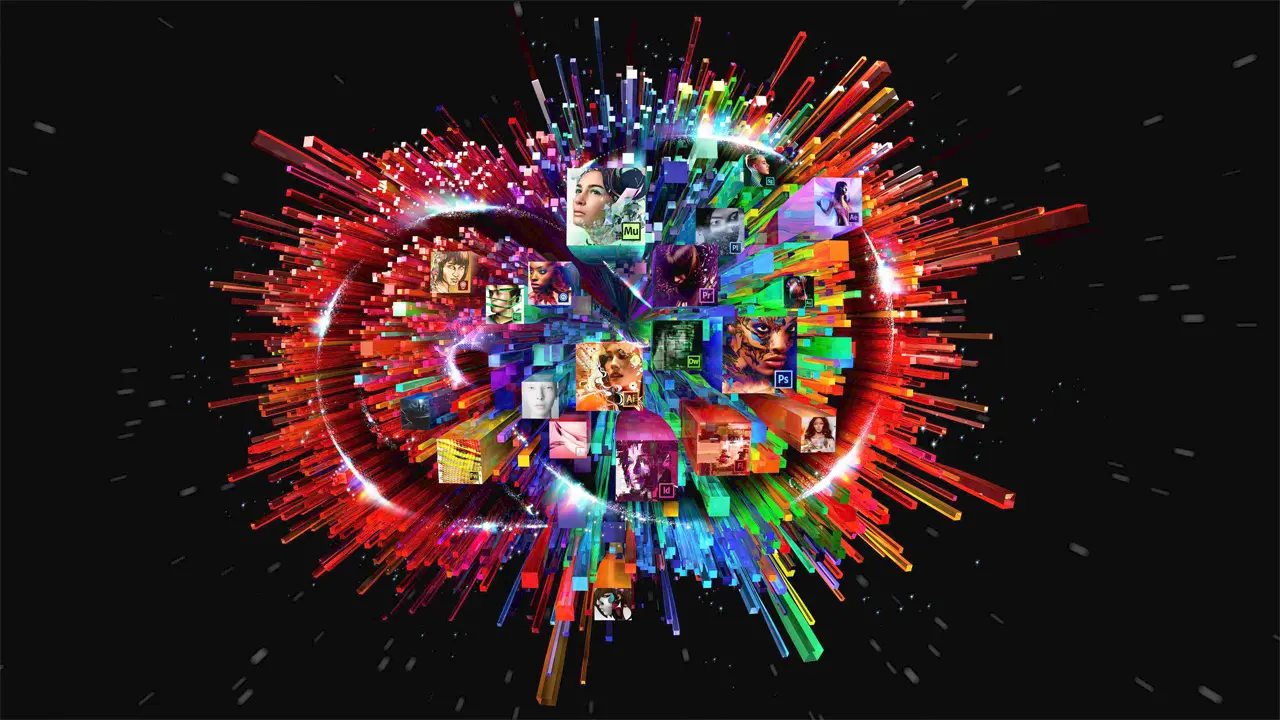
The Comprehensive Guide to Graphic Design in 2025
In today’s digital-first world, graphic design is more than just arranging images and text — it’s a form of visual communication that combines creativity, strategy, and technology. Every logo, advertisement, social media post, and website layout you see is a product of thoughtful graphic design. It plays a vital role in shaping how brands communicate, how users engage with content, and how information is presented in a visually appealing way.
What is Graphic Design?
Graphic design is the process of creating visual content to communicate messages.
Designers use typography, color, imagery, and layout techniques to convey ideas and emotions effectively.
It blends art and technology, requiring both creativity and technical skill to produce visuals that inform, inspire, and captivate audiences.
Key Elements of Graphic Design:
A great design is built on strong visual principles. The main elements include:
- Color: Evokes emotions and creates contrast or harmony in a design.
- Typography: The art of selecting and arranging fonts to enhance readability and aesthetics.
- Imagery: Photos, illustrations, and icons that visually represent ideas.
- Layout: The arrangement of elements to create a balanced and engaging composition.
- Space: Proper use of white space ensures clarity and focus in the design.
Types of Graphic Design:
Graphic design spans various specializations depending on its purpose:
- Branding and Identity Design: Creating logos, color palettes, and brand guidelines for businesses.
- Web and UI Design: Designing interactive websites and digital interfaces for users.
- Print Design: Designing brochures, posters, magazines, and packaging materials.
- Social Media Design: Crafting visual content for platforms like Instagram, Facebook, and LinkedIn.
- Motion Graphics: Designing animated visuals, intros, and explainer videos.
Popular Tools for Graphic Design:
Modern designers rely on software tools to bring their ideas to life.
Some of the most popular ones include:
- Adobe Photoshop: Ideal for image editing and digital artwork.
- Adobe Illustrator: Best for creating vector graphics, logos, and icons.
- Canva: A user-friendly tool for beginners and quick designs.
- Figma & Adobe XD: Used for UI/UX and web interface design.
- CorelDRAW: A classic tool for print and vector illustrations.
The Role of Graphic Design in Branding:
Branding is where graphic design truly shines. A strong visual identity helps a business stand out, build trust, and convey professionalism.
A well-designed logo, consistent color palette, and recognizable typography can turn a small startup into a memorable brand.
Graphic design helps translate brand values into visuals that resonate with the target audience.
Trends in Graphic Design (2025):
The field of graphic design evolves with technology and culture. Some exciting trends in 2025 include:
- Minimalism: Clean, simple designs with focus on clarity.
- 3D and Realistic Graphics: Adding depth and realism through 3D elements.
- Motion and Animation: Using short animations to engage audiences online.
- AI-Powered Design Tools: Automating repetitive design tasks using artificial intelligence.
- Sustainable Design: Promoting eco-friendly practices in print and digital media.
Career Opportunities in Graphic Design:
Graphic design offers diverse career paths across industries:
- Graphic Designer
- UI/UX Designer
- Art Director
- Brand Identity Designer
- Motion Graphics Artist
- Freelance Illustrator or Creative Consultant
Tips for Aspiring Graphic Designers:
- Study design principles — color theory, typography, and layout.
- Build a strong portfolio showcasing your creativity and technical skills.
- Keep learning new tools and techniques.
- Follow design communities and take inspiration from global trends.
- Practice daily by recreating famous designs and experimenting with styles.
Conclusion:
Graphic design is more than a skill — it’s an art form that shapes how we experience the world visually.
From digital ads to mobile apps and branding, design defines our interaction with technology and media.
With creativity, consistency, and technical mastery, anyone can excel in graphic design and make a lasting visual impact in the digital age.